If you’ve been involved in grassroots football for decades, it’s understandable to feel sceptical about the upcoming Under-7s 3v3 format. For many, it sounds like another trend, another experiment, or another decision made by people who “don’t understand the real game.”
But this change isn’t random — and it isn’t rushed.
It’s the result of years of testing, evidence, and real-world experience, led in part by Mike Melvin, founder of 3v3 UK, a grassroots coach who started this journey as a dad simply trying to do what was best for my child and my team.
This article explains what’s changing, why it’s happening, and what it really means for clubs, parents, and children.
The Expertise
I am not a distant administrator or a corporate consultant.
I started as a grassroots dad-coach, running a local youth team. After switching league to 3v3 nine years ago, i saw first-hand how much more involved, confident, and happy children became.
Since then, 3v3 UK has worked with the FA, Premier League, County FAs, grassroots leagues, academies, and clubs worldwide. My team and I have delivered thousands of games, tested formats across ability levels, and advised the FA during its official research phase.
This isn’t theory. It’s lived experience.
Why Is 3v3 Being Introduced for Under-7s?
The FA didn’t choose this lightly. Before confirming the change, they:
Tested hundreds of games nationwide
Trialled 2v2, 3v3, and 4v4
Compared pitch sizes, goal sizes, and formats
Measured ball touches, movement, involvement, enjoyment, and learning
Consulted countries already using 3v3
Worked with experienced grassroots providers like 3v3 UK
The result?
3v3 consistently delivered more touches, more movement, more goals, and more confidence for young players.
In simple terms:
Children are more involved, learn faster, and enjoy football more.
“Is This Still Real Football?”
This question comes up every generation.
People said the same when 5v5 replaced 7v7, and before that when football moved away from 11-a-side for children.
Today, almost no one argues that 5v5 for young players was a bad idea.
Football evolves — not to ruin the game, but to make it better suited to children’s development.
And it’s worth noting:
Some of England’s best modern players grew up in smaller-sided formats.
Key Benefits for Children
1. More Touches on the Ball
In large formats, some children touch the ball once or twice per game. In 3v3, everyone is constantly involved.
2. More Goals, More Confidence
In my experience:
The average 8-minute game sees around 12 goals
Almost every child scores
Children build confidence through real moments and success
For some children, scoring their first ever goal only happens when the game becomes smaller and more inclusive.
3. Better Development — Especially for Quieter or Less Confident Players
In 5v5 or 7v7:
Stronger players can dominate
Quieter players can disappear
In 3v3:
Everyone must participate
No child can hide
Skills develop faster because they must be used
This gives lower-confidence players real opportunities instead of sidelining them.
4. No Subs = More Game Time
In traditional formats:
Some children play 5–10 minutes per match
Others sit on the bench most of the time
3v3 aims to ensure every child plays and stays involved, helping development and self-esteem.
5. No Goalkeepers at Under-7s — and That’s OK
Almost no professional goalkeeper started as a keeper at age six.
At this age:
Children should develop ball skills, coordination, and confidence
Goalkeeping can come later
If a child truly wants to focus on keeping, there are pathways and options
This stage is about building love for football — not locking kids into positions too early.
Common Fears vs the Reality
“We won’t have enough space”
Reality:
You can fit more 3v3 pitches into the same space than 5v5.
“We’ll need more coaches”
Reality:
Squads stay the same — teams just split on matchday.
“We’ll need huge new budgets”
Reality:
Some extra goals and markers are needed — and Football Foundation funding is expected to help with grants available. 3v3 UK is also providing sponsorships for this also.
“No referees will cause chaos”
Reality:
Pitch facilitators and rotating adults are planned — and this format promotes responsibility, calmer behaviour, and less sideline pressure.
The Bigger Picture: What Are We Actually Trying to Do?
This isn’t about producing elite professionals.
It’s about:
Helping children love football
Keeping kids in the game longer
Giving every child confidence, moments, and enjoyment
Creating future players, coaches, volunteers, and fans
To put it simply:
“This isn’t about making the best 18-year-old. It’s about helping six- and seven-year-olds love football.”
A Message to Sceptics, Traditionalists, and Concerned Parents
You don’t have to love the idea yet.
But before dismissing it:
Watch it
Try it
See how the kids respond
Because time and again, the same thing happens:
Adults doubt it.
Kids try it.
Kids love it.
And in grassroots football, what the kids love — and what helps them grow — should come first.
For any advice, guidance or support, feel free to reach out. We would love to help you
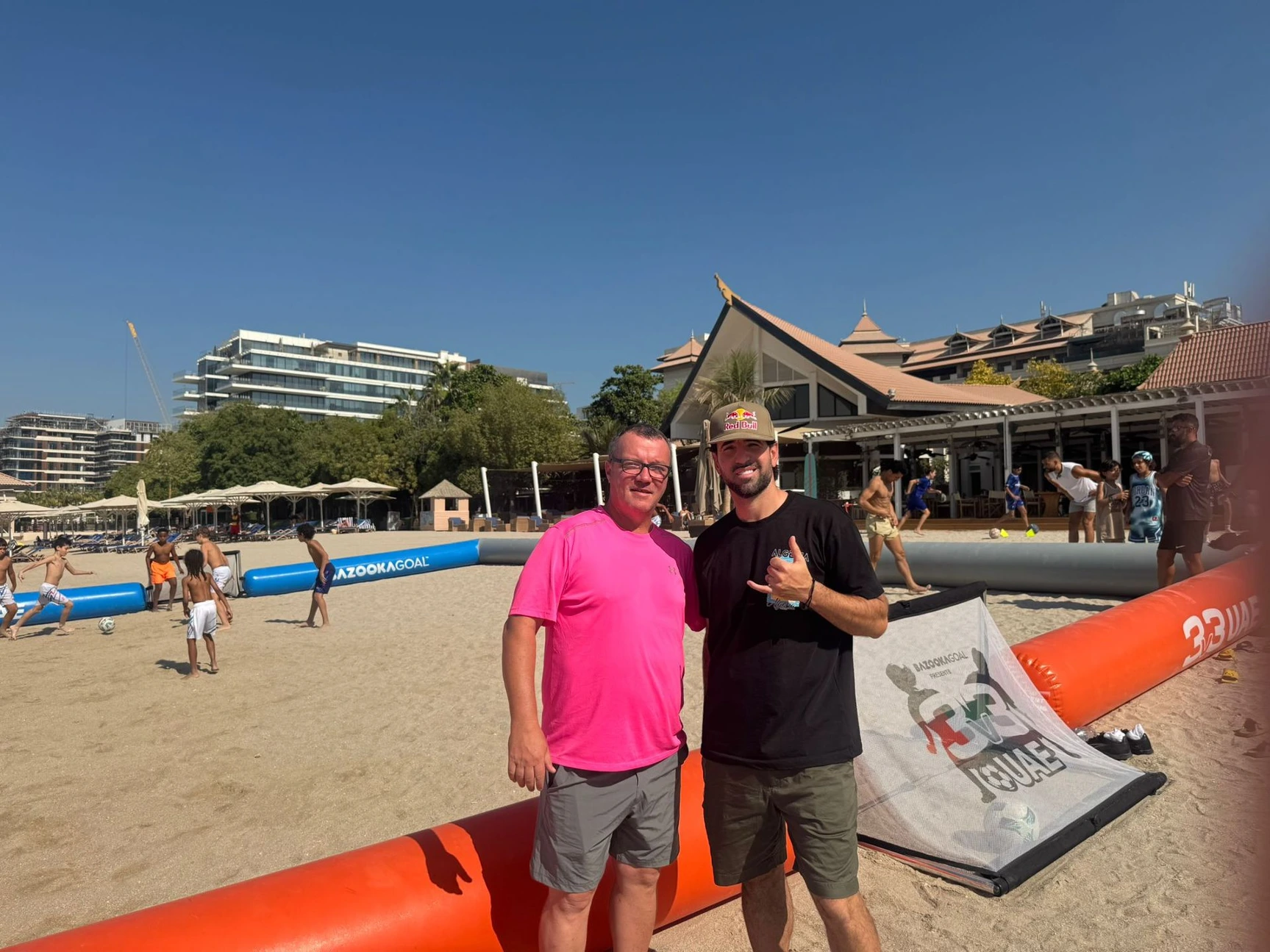
Mike Melvin- Managing Director of 3v3UK and 3v3UK Manchester